New York City Reverses TikTok Ban on Government Devices Under Mayor Zohran Mamdani
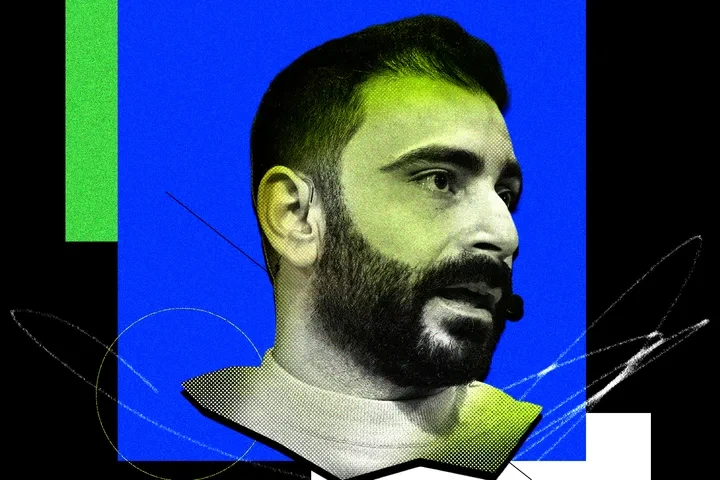
New York City Mayor Zohran Mamdani — who rode a social media-fueled campaign to win the city’s top post at Gracie Mansion — is rolling back an Eric Adams-era policy that banned TikTok from all city-owned devices. Local city agencies will now be permitted to post updates about their public work on the platform, though new security guardrails have been implemented to protect the city’s internal digital networks.
“The Mamdani administration is committed to using every tool in our toolbox to communicate with New Yorkers,” reads the internal agency email obtained by WIRED. “At a moment when people are turning to city government for information about free services, emergency situations, upcoming events, and more, we want to open up new avenues of communication with the public and help deliver the information New Yorkers need.”
The original ban dates back to August 2023, when then-Mayor Adams prohibited TikTok use on government devices, aligning New York City with a growing list of state and federal agencies that had already flagged the app as a major security risk at the time. Adams’ then-spokesperson Jonah Allon explained that the city’s Cyber Command office had determined TikTok, owned by China-based parent company ByteDance, “posed a security threat to the city’s technical networks and directed its removal from city-owned devices.”
The policy forced dozens of popular city-run TikTok accounts to shut down, including official pages for the NYC Departments of Sanitation and Parks and Recreation. As of Tuesday morning, the bios on these dormant accounts still read: “This account was operated by NYC until August 2023. It’s no longer monitored.”
Under the new order, these accounts can be reactivated, with a small set of security requirements designed to protect city networks while letting agencies connect with residents on the high-traffic platform. Per the agency email, any department using TikTok must access the app on separate, government-issued devices that “cannot contain sensitive or restricted data, and they cannot be used for email, internal systems, or privileged access.” Only designated staff from agency media and press offices will be allowed to manage city TikTok accounts, which must operate on official government email addresses rather than personal accounts.
“In a fragmented media landscape, more and more people—especially younger people—are looking beyond the four corners of their television screen to stay informed,” Mamdani said in a statement to WIRED. “Our responsibility is simple: Meet people where they are. That means stepping outside our comfort zones and communicating in ways that reflect how New Yorkers actually live, work, and connect.”
The policy reversal follows Mamdani’s November election win, which relied heavily on social media for voter outreach. Mamdani leveraged TikTok during his campaign to recruit volunteers and amplify his policy platform, and has continued to embrace social media in his first months in office, releasing dozens of public-service announcements about city programs.
Ahead of dangerous winter weather in January, Mamdani published a video to the official @nycmayor Instagram account urging New Yorkers to sign up for the city’s free emergency alert program, NotifyNYC. According to data from Mamdani’s office, the program gained more than 32,000 new subscribers in the four days after the video was released. For context, New York City Emergency Management spent $240,000 on a full advertising campaign for NotifyNYC last year that acquired roughly 48,000 new subscribers. Mamdani also released a series of short videos recruiting New Yorkers to join the Department of Sanitation’s volunteer snow-shoveling program, which drew roughly 5,000 new sign-ups — tripling the program’s previous total enrollment.
The broader status of TikTok in the U.S. has also shifted dramatically since the 2023 ban. In January 2026, TikTok finalized a deal with the Trump administration to launch a new U.S.-based version of the company run by American investors, including tech giant Oracle. The agreement staved off a planned nationwide ban of the platform.